

The Importance of Your Child’s Baby Teeth for Speech Development
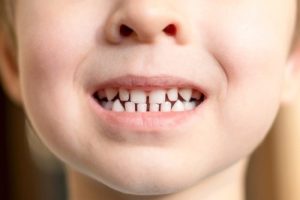 Proper speech development in children is crucial. If there are developmental delays in speech, lisping and other pronunciation problems can develop and be difficult to extinguish as a child grows older.
Baby teeth are essential to proper speech development. They provide structural support for the lips, jaw, and tongue. This allows the mouth to form shapes needed to articulate sounds, especially d, s, t, and z. Baby teeth also guide permanent teeth into position as a child grows, helping speech become clearer and more refined.
What Functions Do Baby Teeth Perform in Speech Development?
Baby teeth help the mouth form the correct shapes needed for making sounds. When baby teeth develop properly and are healthy, children can form words more clearly. If teeth are misaligned or fall out early, this disrupts the formation of sounds and may lead to speech problems, such as a lisp.
Gaps left behind by missing teeth that have fallen out due to trauma or disease are not immediately filled by the permanent teeth. These gaps can affect tongue placement and can lead to whistling and improper sound creation. Because baby teeth are “placeholders” for permanent teeth, losing them too soon can dramatically impact speech and cause permanent teeth to come in crooked, creating orthodontic problems that, in turn, lead to additional speech issues.
Continued finger or thumb sucking, or prolonged pacifier use, can cause changes in the structure of your child’s mouth and misalign their teeth, which in turn may lead to difficulty pronouncing certain words. Intervening early to address these behaviors can help prevent such dental and speech problems.
The Importance of Proper Speech Development
Children with healthy baby teeth are more likely to speak clearly and be understood by their teachers and peers, giving them greater self-confidence. They can express themselves more effectively and tend to experience less frustration in social situations.
If a child develops a speech impediment due to damaged or missing baby teeth, this can require expensive, time-consuming speech therapy. If speech therapy is not handled appropriately, some children may feel frustrated or ostracized. Additionally, delays in proper speech development due to dental issues may hinder academic growth and interfere with learning.
Protecting Your Child’s Baby Teeth for Proper Speech Development
Good oral hygiene and regular dental checkups protect your child’s baby teeth. This helps speech development progress smoothly and on schedule. Brush your child’s teeth twice daily and floss regularly. Visiting a pediatric dentist every six months for a professional cleaning is also essential. At checkups, discuss any concerns about digit sucking or other unhealthy habits.
If your child’s tooth is lost early or becomes damaged or decayed, see a pediatric dentist promptly. Tooth extraction or injury may require a space maintainer to prevent tooth shifting. This prevents overcrowding and helps ensure normal speech development and proper arrival of permanent teeth.
Take the Next Step in Your Child’s Dental Health
If you have any questions or would like to discuss your child’s baby teeth and speech development, please contact the office of Laleh Vakili, DMD.
Comments are closed.