Pressure Points to Help Relieve TMJ Pain in Children and Teens
Temporomandibular Joint Disorder (TMJ or TMD) is a common condition that causes jaw pain, tension, and discomfort in the jaw and surrounding areas. For children and teens, TMJ pain can range from mild to severe, sometimes interfering with eating, speaking, or sleeping.
At Laleh Vakili, DMD in San Mateo, we understand how disruptive TMJ pain can be for young patients and their families. While professional evaluation is always recommended, acupressure offers a gentle, non-invasive way to help manage TMJ discomfort at home.
What Causes TMJ Pain?
Several factors can contribute to TMJ pain in kids and teens, including:
- Bruxism (teeth grinding or clenching): Puts stress on jaw joints and muscles.
- Stress and anxiety: Can lead to unconscious jaw clenching.
- Jaw injuries: Fractures, dislocations, or trauma may cause TMJ issues.
- Arthritis: Though less common in children, arthritis can affect the jaw joint.
- Bite misalignment (malocclusion): When teeth don’t fit together properly, it can strain the jaw.
- Chewing habits: Frequent gum chewing or tough foods can aggravate jaw pain.
- Muscle tension: Strained face, neck, or shoulder muscles may worsen TMJ symptoms.
Get Relief from TMJ Pain
Struggling with jaw pain or TMJ discomfort? Schedule an appointment with Dr. Vakili or Dr. Lam to find relief.
TMJ Massage for Kids
Stimulating specific acupressure points may help relax tense muscles, improve circulation, and reduce jaw discomfort. Parents can gently apply pressure or massage these points on their child’s face or jawline to provide relief.
Note: Acupressure should be used as a complementary therapy. If your child has persistent or severe jaw pain, consult Dr. Vakili or a healthcare provider to rule out underlying conditions.
5 Pressure Points for TMJ Pain Relief
Here are five of the most effective acupressure points that may help ease TMJ symptoms:
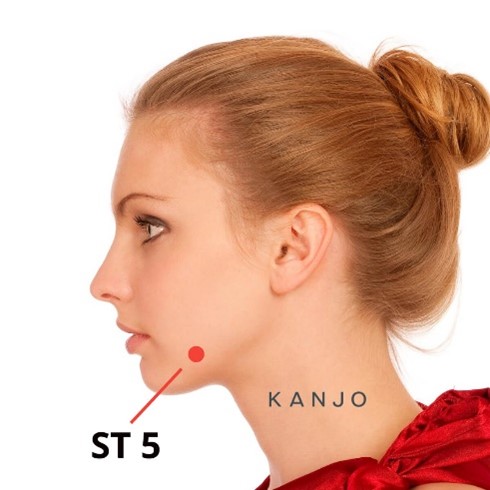
- Stomach 5 (ST 5) – Along the jawline
- Located near the angle of the jaw, by the pulsation of the facial artery.
- Benefits: Relieves toothaches, reduces cheek swelling, eases lockjaw (trismus), and helps with dry mouth.
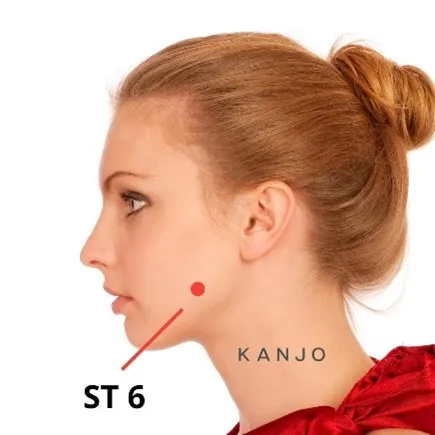
- Stomach 6 (ST 6 / Jiache) – Jaw muscle point
- Found by clenching the teeth—this point is halfway between the corner of the mouth and the earlobe, where the jaw muscle bulges.
- Benefits: Reduces jaw spasms, pain, and swelling; improves jaw mobility; eases TMJ stiffness.
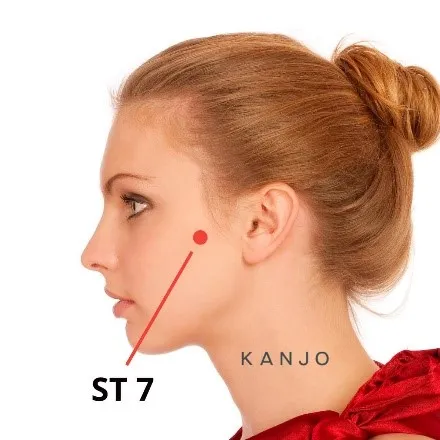
- Stomach 7 (ST 7) – In front of the ear
- Located in a small depression just in front of the ear.
- Benefits: Relieves pain when opening the mouth, eases toothaches, supports nasal relief, and can help with tinnitus or ear-related discomfort.
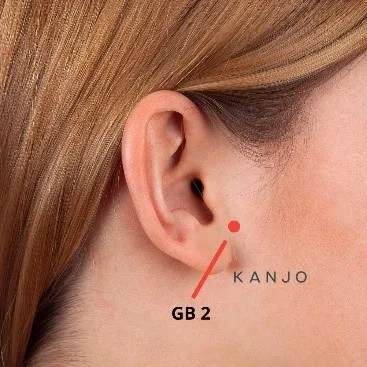
- Gallbladder 2 (GB 2) – Ear depression point
- Found in the small hollow near the tragus of the ear that appears when the mouth is open.
- Benefits: Helps ease jaw joint tension and supports overall relaxation of the area.
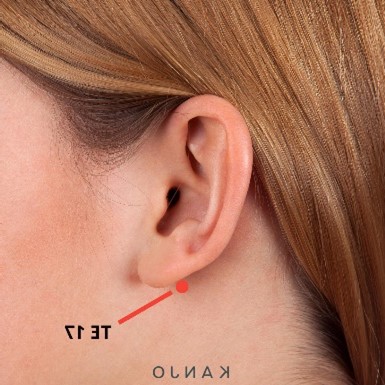
- San Jiao 17 (SJ 17 / Yifeng or “Wind Screen”) – Behind the earlobe
- Located in the hollow just behind the lower earlobe.
- Benefits: Reduces cheek swelling, eases TMJ-related toothaches, and helps relax the jaw joint.
At-Home Support for TMJ Pain
Along with acupressure, some simple at-home strategies can help children and teens find relief from TMJ discomfort:
- Gentle stretching exercises for the jaw
- Avoiding hard or chewy foods
- Practicing relaxation techniques to reduce clenching
- Using warm compresses for sore muscles
When to See a Pediatric Dentist for TMJ Pain
If your child’s TMJ pain is persistent, worsening, or interfering with daily activities, it’s important to schedule an evaluation. Laleh Vakili, DMD or Karen Kishiyama Lam, DDS in San Mateo can help determine the cause of the pain and recommend appropriate treatment options tailored to your child’s needs.
At our pediatric dental practice, we focus on gentle, compassionate care—combining modern dentistry with supportive therapies, such as acupressure, to make every visit as comfortable as possible.