

Gummy Vitamins and Teeth: What Parents Should Know
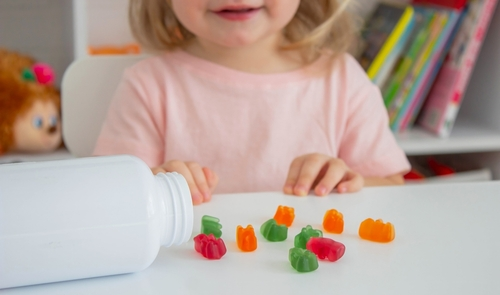
Gummy vitamins for kids have become a go-to way to fill in nutrition gaps without the daily fight over swallowing a hard pill. They are easy to love, chewy, fruity, and often shaped like little bears or dinosaurs. Because they act a lot like candy once they reach your child’s teeth, it helps to understand how they can affect your child’s smile.
Why Gummy Vitamins Can Be Tough on Teeth
1. They Stick to Teeth
Gummy vitamins have a soft, sticky texture that clings to the grooves and surfaces of teeth. Unlike liquids that rinse away quickly, this residue can stay in place for a while after chewing. The longer it sits, the more opportunity it has to feed the bacteria that cause cavities.
2. Many Contain Sugar
Sugar is often one of the first ingredients in gummy vitamins, since it helps create that familiar chewy texture and flavor. Sugar itself does not damage teeth, but the bacteria in your child’s mouth use it to produce acid. That acid is what gradually wears away tooth enamel over time.
3. Daily Use = Repeated Exposure
Vitamins are usually part of a daily routine, which means teeth are exposed to sugar and stickiness every single day. Frequent exposure gives bacteria more regular opportunities to produce acid. Over time, this daily habit can add up to a bigger impact on your child’s teeth than an occasional treat would.
4. Hidden Acidity Can Wear Enamel
Some gummy vitamins also contain citric acid or other ingredients that make them more acidic. This added acidity can soften enamel on its own, even before bacteria get involved. Softer enamel is more vulnerable to wear and decay, which is worth knowing even when the sugar content looks low.
Are Gummy Vitamins “Bad” for Kids?
The honest answer is that gummy vitamins are not inherently bad for kids, and they can be a helpful way to support your child’s nutrition. The real question of whether gummy vitamins are bad for teeth has less to do with the vitamin itself and more to do with how and when it is given. With a few thoughtful habits, most families can keep the nutritional benefits while limiting the impact on their child’s smile.
5 Simple Ways to Protect Your Child’s Teeth
1. Give Vitamins with Meals
Giving gummy vitamins alongside a meal helps because saliva production naturally increases while eating. That extra saliva helps wash away sugar and food particles more effectively. Pairing vitamins with breakfast or lunch is an easy way to reduce their contact time with teeth.
2. Avoid Taking Them Before Bed
Saliva production naturally slows down at night, which means anything left on the teeth has more time to sit undisturbed. Giving a gummy vitamin right before bed removes one of the mouth’s best natural defenses. Moving vitamins earlier in the day gives your child’s teeth a better chance to clear away residue.
3. Rinse with Water After
A quick rinse with water after a gummy vitamin can help clear away some of the sticky residue left behind. It only takes a few seconds and can become a natural part of your child’s routine. This simple habit is an easy way to support kids’ oral hygiene without adding extra steps to your day.
4. Keep Brushing and Flossing Consistent
Consistent brushing and flossing remain the foundation of cavity prevention for kids, gummy vitamins or not. Brushing twice a day and flossing once a day helps remove the sugar and residue that daily vitamins can leave behind. Staying consistent, even on busy days, is one of the most effective things you can do for your child’s teeth.
5. Consider Alternative Vitamin Forms
If sticky texture is a concern, chewable tablets, liquid drops, or powders mixed into food can be worth considering. These forms are less likely to cling to teeth the way gummies do. Talking with your child’s pediatrician or our team can help you find a format that fits your family’s needs.
Why Gummy Vitamins Are Different from Other Supplements
Gummy vitamins behave differently in the mouth than tablets, capsules, or liquid supplements because of their chewy, sticky texture. A tablet is typically swallowed quickly with little contact time on teeth, while a gummy is chewed and lingers longer. That extended contact time is the main reason gummy vitamins get more attention when it comes to oral health.
What Type of Vitamins Are Safest for Teeth?

Vitamin forms that spend the least time in contact with teeth tend to be gentler on your child’s smile, which often point to chewable tablets, liquid drops, or powders stirred into a drink or food. Sugar-free or low-sugar options can also help reduce the impact on enamel. If you are unsure which option fits your child best, our team at Laleh Vakili, DMD is happy to talk through what makes sense for your family.
If you have questions about your child’s vitamins or their oral health, we would love to help. Contact our pediatric dental office in San Mateo at San Mateo Pediatric Dentist Office Phone Number 650-372-9292 to schedule a visit with Dr. Vakili or Dr. Lam.
Comments are closed.